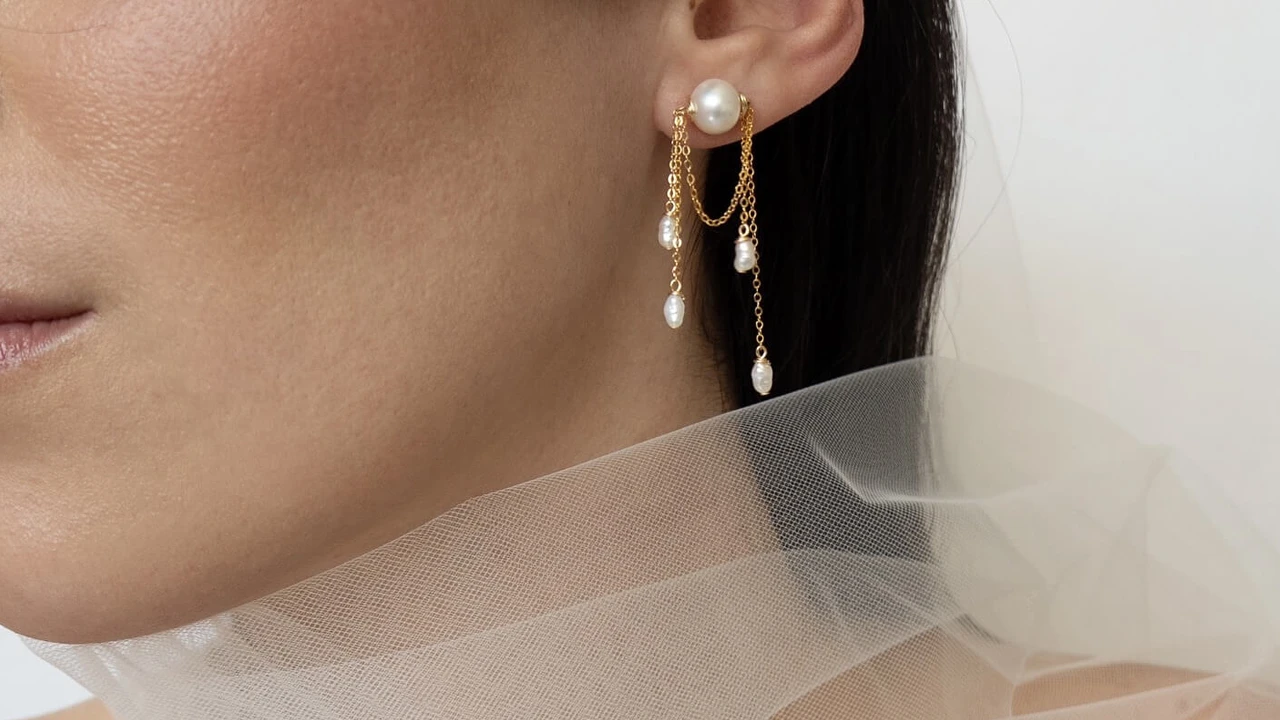
Pearls are organic gemstones known for their lustrous and colorful overtones. While some pearls are available for our everyday fashion needs, some are rare and can be traced back to iconic moments in history.
In this article, we will explore some of the rarest pearl types, together with the notable factors that influence their rarity.
A Glimpse into the Unbelievable
When we talk about some of the rarest pearls in history, we can’t help but discuss their unique sizes and shapes that can rarely be found on conventional pearls. Did you know the Pearl of Lao Tzu, weighing over 14 pounds, is considered one of the largest natural pearls ever discovered?
This article dives into the fascinating dimensions of pearl rarity, from the rarest hues to the largest and most unique shapes; unravelling the secrets of their allure.
What are The Rarest Pearls Through History?
Highlighted below are some of the rarest pearls in history.
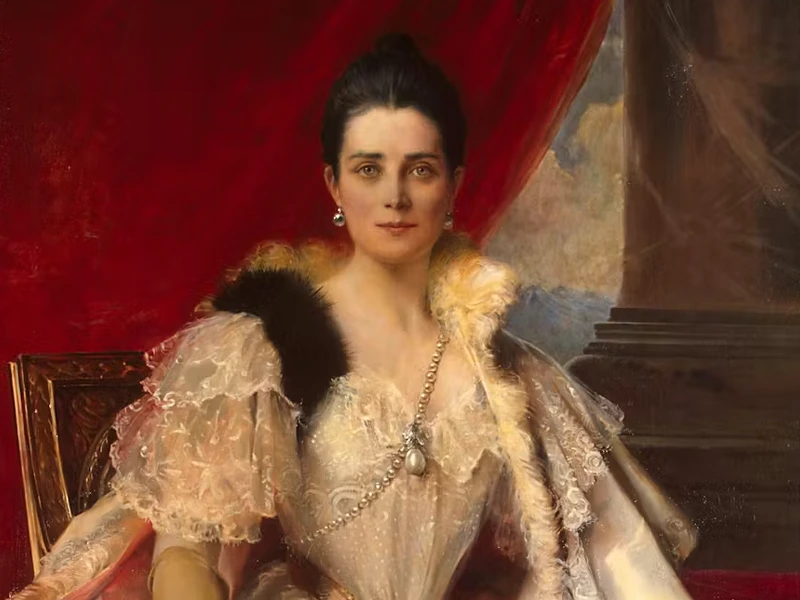
- La Peregrina
This is a perfectly symmetrical pear-shaped pearl that initially weighed 223.8 grains at discovery. However, the weight dropped to 203.84 grains in 1914 after it underwent cleaning and drilling modifications.
- The Hope Pearl
The Hope pearl is a cylindrical drop-shaped pearl that weighs around 1,800 grains. Being one of the first baroque pearls, it measures approximately 2 by 4 inches, coupled with greenish-gold color on one end and white on the other.
- The Arco Valley Pearl
Arco Valley pearl is a saltwater baroque pearl that weighs 575 carats. This white blister pearl exudes overtones of delicate pink and iridescent blue.
- The Gogibus Pearl
Known to be one of the most mysterious pearls, this saltwater gem weighs exactly 143 carats. It is a symmetrical baroque pearl with a white surface color and silver overtone.
- La Régente
La Régente is a flawless silver/white dropped-shape pearl, weighing 346.27 grains. The pearl carries the shape of an egg; flat at the back with a magnificent display of orient at the front.
- The Abernathy Pearl
This spherical-shaped freshwater pearl weighs around 43.60 grains. Although the pearl is of medium size, it carries exceptional luster with pinkish-white hues that distinguish it from cultured pearls.
The Many Facets of Rarity: What Defines a Rare Pearl?
Rare pearls often possess unique features that distinguish them from regular pearls. They can be identified through their size, color, luster, origin, and process of formation.
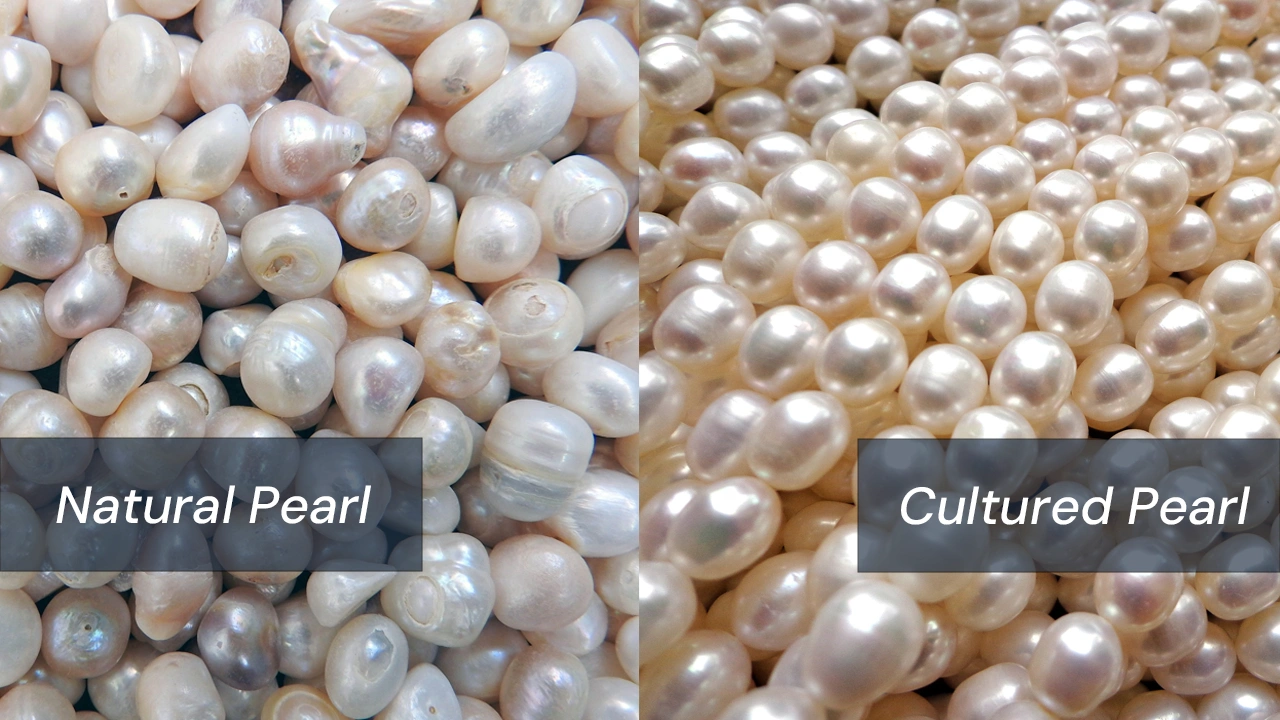
All of the rarest pearls in the world are natural pearls stumbled upon accidentally. It takes lengthy years for a pearl to naturally form within a mollusk, hence their display of unique features that tell them apart. Cultured pearls, on the other hand, require human intervention and it only takes a few years to mature.
The rarity of natural pearls lies in the fact that no two mollusks are capable of producing pearls of equal size, color, and luster. This makes it extremely difficult to find natural pearls of similar properties to form a jewelry strand. This is not the same with cultured pearls because they are primarily cultivated to produce pearls of similar features for commercial sales.
The Rarest Types of Pearl
Below are some of the rarest types of pearl.
Melo Melo Pearl
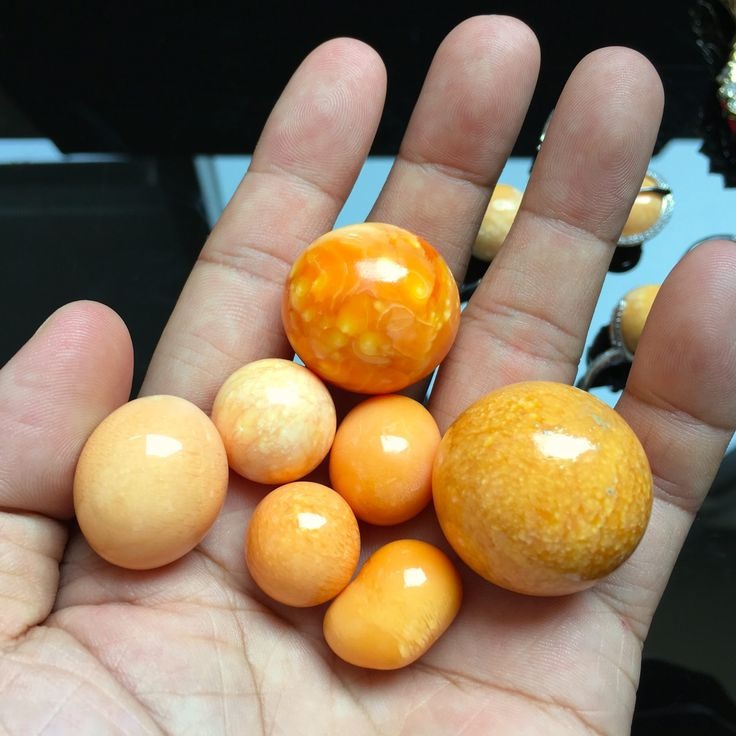
Melo melo pearl is derived from the Melo snail, which is predominantly found around the Gulf of Thailand, South China Sea, and Andaman sea. Unlike other pearl types, they are not made of nacre. They contain a mix of aragonite and calcite, which are elements responsible for their glazed, flame-like appearance.
They come in spherical shapes with fiery orange or marbled yellow colors. Pearls like these are rare because it takes decades for them to grow into required jewelry sizes.
Conch Pearl
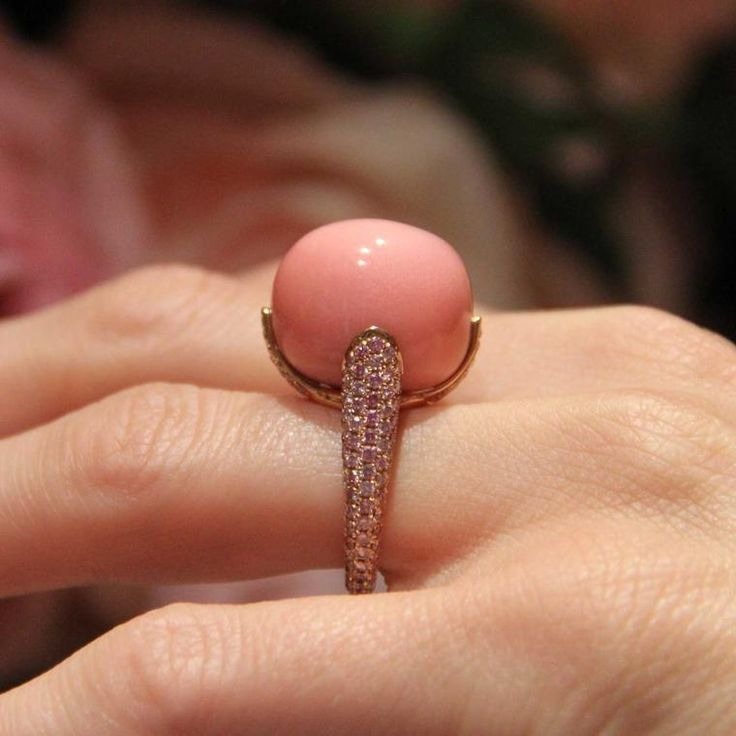
These are non-nacreous pearls produced by the Queen Conch mollusk that are often found in the caribbean. Instead of nacre, they are made of solid calcareous layers of fibrous crystals.
Conch pearls can either be of spherical or baroque shape with vibrant color shades of pink and brown. An article from the Gemological Institute of America stated that the probability of finding a conch pearl is one in a thousand; that shows how extremely rare they are.
Natural Blue Pearls
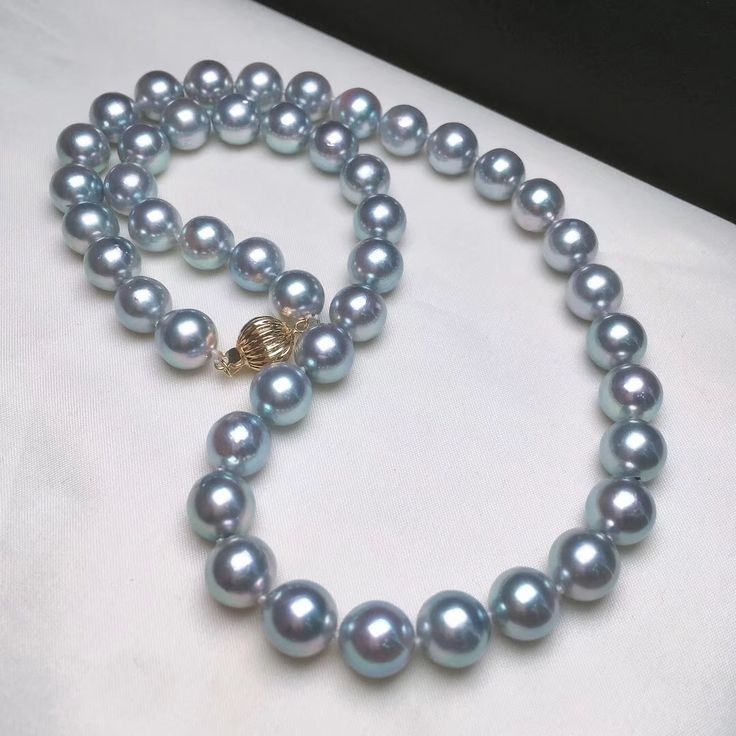
Natural blue pearls are rare gems that have no specific area of origin. Their variations can be found in Akoya, South Sea, or Tahitian pearls.
Pearls like these exhibit astonishing hues like dark midnight blue or pestle sky blue colors. Their overtones appear in aquamarine, blue, rose, and violet. Since they can not be attributed to a single pearl source, their size, shape, and luster solely depend on their pearl type.
Golden South Sea Pearls
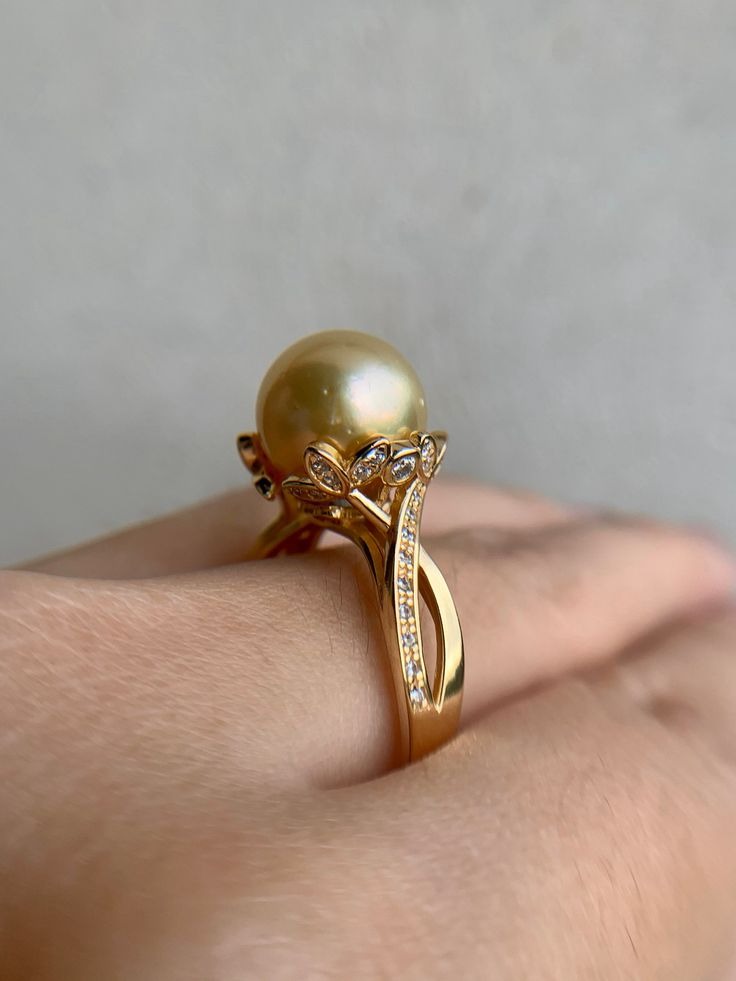
Golden South Sea pearls are the biggest and most valued cultured pearls in recent times. Grown in golden-lip oysters, they are predominantly found in the Philippines and Indonesia.
They boast of natural golden tones with yellow and champagne variations. They appear in shapes like button, baroque, drop, and perfect-round. These pearls are quite rare because only one can be produced by an oyster at a time, and the pearl takes a longer period to completely form.
The Rarest Pearl Colors
Want to know the rarest type of pearl colors to exist? These are a few of them:
- Golden South Sea Pearls: These are naturally warm and luxurious pearl colors highly sought after for their unique overtones.
- Peacock Tahitian Pearls: Their iridescent overtones of green, blue, and purple make them a go-to for exotic jewelry designs.
- Lavender Freshwater Pearls: They have a whimsical and rare color shade that adds a splash of feminine touch to your jewelry collection.
- Natural Blue Pearls: These pearls have an elusive and mesmerizing pearl color that breathes a range of sophistication to all outfits.
The Largest Pearl In the World
Giga Pearl holds the record as the largest pearl in the world. This astonishing wonder of nature weighs 27.64kg with dimensions of 39.37cm × 22.86cm × 20.95cm.
The pearl’s size can be attributed to its parent oyster known as Tridacna gigas. Found in the West Pacific Ocean and eastern Indian ocean, they are the largest existing bivalve that can weigh up to 250kg. The pearl is currently on display with a gold octopus sculpture and it is presumed to be worth between $60-$200 million.
Conclusion
Most rare pearls are naturally formed gems that take decades to fully develop. This gives them enough time to build solid nacre layers that influence their baroque shape, size and, surface overtone.